

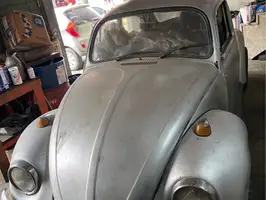
Performance Specifications

MPG
18,00 city / 25,00 hwy

Drivetrain
RWD

Fuel Type
GAS

Exterior Color
GRAY

Interior
UNKNOWN

Seating
None

Engine
UNKNOWN

Transmission
MANUAL
Value Compass™
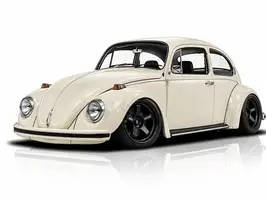
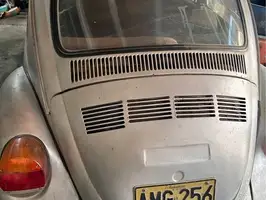
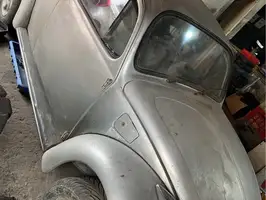
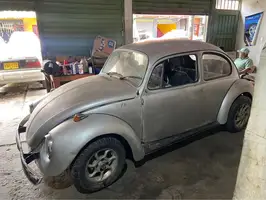
Volkswagen escarabajo modelo 72 Precio negociable Se entra con parrilla , Bomperes nuevos y punteras “ soportes
Vehicle History



Overview
volkswagen escarabajo 1972 — what you’re really buying
A 1972 Volkswagen Escarabajo is a midpoint car. Not early enough to be raw and collectible, not late enough to benefit from small refinements that came after. It’s a working machine built on a design that was already 30+ years old when it left the factory.
By 1972, most Escarabajos in Latin America came with either a 1300cc or 1600cc engine. In Colombia and Mexico today, the 1600 dual-port is what you usually find, often swapped in later. So when someone says “1972 Escarabajo,” they’re usually talking about a car that’s already been modified at least once.
That matters. Because you’re not evaluating a factory-original car most of the time. You’re evaluating 50 years of repairs, shortcuts, and mixed parts.
engine and mechanical baseline
The original 1972 setup depended on market:
- 1300cc single-port (~44 hp)
- 1600cc dual-port (~48–50 hp, often swapped in later)
Both are air-cooled flat-four engines. No radiator. Cooling depends entirely on airflow from a belt-driven fan and intact cooling tin.
That tin matters more than people think. Missing pieces create hot spots around the cylinders. Cylinder #3 is the usual victim.
Valve adjustments are not optional:
- Every 5,000–8,000 km
- Done with a feeler gauge, engine cold
Skip it, and you burn valves. Not immediately. Gradually. Compression drops, power fades, and you end up pulling the heads.
Oil changes:
- Every 3,000 km
- No full-flow filter unless modified
The oil system holds about 2.5 liters. It runs dirty compared to modern engines. That’s normal.
Real case: a 1972 Escarabajo in Itagüí came in with low power. Owner hadn’t adjusted valves in over a year. Two exhaust valves were tight. Compression on one cylinder dropped below 90 psi. Heads came off. Valve job cost him around $300 USD equivalent. Preventable.
carburetor and fuel system
Most 1972 cars run a Solex carburetor. Either 30 PICT or 34 PICT depending on engine configuration.
Carburetors wear out. Throttle shafts get loose. Vacuum leaks develop. That leads to:
- Rough idle
- Poor fuel economy
- Hesitation under acceleration
Fuel pumps are mechanical. Mounted on the engine. They fail slowly or leak.
Fuel lines are a known risk point. Old rubber cracks. Fuel leaks in the engine bay. Fires happen. Not rare.
You replace fuel lines every couple of years if you’re paying attention.
transmission and drivetrain
4-speed manual. That’s it.
Clutch is cable-operated. No hydraulic system. When the cable breaks, the pedal drops to the floor. You’re done until it’s replaced.
Clutch cable lifespan varies:
- 1–3 years depending on use and quality
Gearboxes are durable if not abused. But worn synchros are common, especially in second gear.
Grinding on downshifts isn’t unusual. It’s a sign of wear, not a quirk.
suspension and handling
1972 is right around the transition from swing axle to IRS (independent rear suspension). Many markets still had swing axle.
Swing axle behavior:
- Rear wheels tuck under during hard cornering
- Oversteer comes quickly if pushed
IRS behavior:
- More stable
- Less sudden oversteer
Most people don’t know which one they have. They just notice the car feels unstable in certain corners.
Front suspension uses torsion bars. Simple. Durable. But bushings wear out.
Steering box develops play over time. If you turn the wheel and nothing happens for the first few centimeters, that’s wear.
At speed, the car feels light in the front. That’s not fixable. It’s the design.
braking system
By 1972, some models had front disc brakes. Others still had drums all around depending on market.
Rear brakes are always drums.
Drum brakes need adjustment:
- Every few thousand kilometers
If not adjusted:
- Pedal travel increases
- Braking becomes uneven
- Car pulls to one side
Brake fluid absorbs moisture. Old systems often have rusty lines or sticking wheel cylinders.
Stopping distance is long compared to modern cars. No ABS. Locking wheels is easy on wet roads.
driving it in colombian conditions
At low speeds, it works.
Medellín traffic, 30–50 km/h, short distances. That’s where the car feels normal.
Take it on the highway:
- 80 km/h is comfortable
- 90 km/h is pushing it
- 100 km/h feels unstable
Now add altitude. Less oxygen means less power. That 48 hp engine feels closer to 40 hp.
Climbing hills:
- You downshift early
- You stay in third gear longer than you want
Passing another car requires planning. If you guess wrong, you don’t have extra power to recover.
interior and comfort
There’s no insulation worth talking about.
You hear:
- Engine noise
- Road noise
- Wind
Seats are flat. No support. After an hour, your back notices.
Heating system uses air from around the exhaust. If the system is intact, you get some heat. If not, you get nothing or you get fumes.
A 1972 in Bogotá came in with complaints of “bad smell.” Heater channels were rusted. Exhaust gases were entering the cabin. Owner had been driving like that for months.
No AC. Aftermarket systems exist, but they drain power from an already weak engine.
electrical system
12-volt system.
Generator or alternator depending on setup.
Wiring degrades over time:
- Brittle insulation
- Poor grounding
- Random electrical issues
Headlights are weak by modern standards. Night driving on rural roads is not ideal.
Fuse box is simple. But corrosion causes intermittent failures.
rust and structural issues
This is where most cars fail.
Common rust areas:
- Floor pans
- Heater channels
- Frame head
- Rear torsion housing
These aren’t cosmetic problems. They affect structure.
A car with rusted heater channels loses rigidity. Doors don’t align properly. The body flexes.
Example: a 1972 Escarabajo in Cali had new paint and clean interior. Underneath, heater channels were gone. Previous owner filled gaps with foam and fiberglass. Car twisted over speed bumps.
Proper repair means cutting and welding. Not patching.
parts availability and cost reality
Parts are easy to find in Colombia.
Prices (approximate):
- Carburetor rebuild kit: $25–$60
- Clutch kit: $120–$200
- Brake shoes: $40–$80
- Engine rebuild kit: $500–$900
Labor is straightforward. Most mechanics can work on these cars.
The problem is quality.
Cheap parts fail early. Especially rubber and carburetor components.
You end up replacing parts more often if you buy the cheapest option.
fuel economy
Fuel consumption depends on tuning:
- 9–11 km/L typical
Carburetors drift out of tune. Fuel economy drops if ignored.
Ethanol in modern fuel degrades old hoses and seals.
real ownership example
1972 Escarabajo, daily use in Medellín.
Usage:
- 15–25 km per day
- City driving
Repairs over one year:
- Clutch cable replaced once
- Carburetor rebuilt
- Valve adjustments every 2–3 months
- Fuel lines replaced after a leak
Total cost: around $800 USD equivalent.
Downtime: about 10 days total.
Car never completely failed. But it needed constant small fixes.
A 1972 Volkswagen Escarabajo runs because it’s simple, not because it’s strong.
It needs attention all the time. Small jobs. Repeated often.
It works in slow traffic. It struggles in modern driving conditions.
It’s cheap to keep moving. It’s not effortless.
That’s the reality.
Common Questions About This Vehicle
Other Cars You Might Like
Vehicle Specifications
History and Inspection
- Desconocido accidents✓
- Desconocido open recalls found✓
- One owner✓
- Not stolen Not previously stolen✓
- View full Carfax report